
Pain rarely announces itself with a single dramatic moment. More often it creeps in. The long drive that used to feel routine starts leaving your back tight. Sleep gets broken up by the same ache that was only mild in the afternoon. You begin choosing the elevator over the stairs without really deciding to. Before long the pain is shaping small parts of the day and then larger ones—work focus, mood, and how patient you feel with the people around you.
At Sekiwala Pain Management Center we spend time trying to understand what is actually driving those symptoms rather than treating every patient the same way. The goal is to identify the source as clearly as possible and then talk through options that match the person sitting in front of us.
Then use short subheadings with bullets.

Pain is the signal, not always the full story. The same aching back can come from nerve irritation, joint problems, disc issues, or a combination. Neck, shoulder, hip, and other pain sources work the same way. Identifying the more likely driver matters because treatment should have a clear target.
Depending on what turns up, the discussion may include interventional procedures—nerve blocks, epidural injections, joint injections, radiofrequency work, or other image-guided techniques. None of these is automatic. Symptoms, examination findings, medical history, and any existing diagnostic information all factor into the recommendation. That is the practical thinking behind pain management in Los Angeles, CA, at this clinic.
People searching for the best pain doctor in Los Angeles, CA, are usually looking for more than a name that ranks high in a search. They want someone who will take the symptoms seriously, explain why a particular treatment is being considered, and talk openly about benefits, limits, and risks.
You should be able to ask questions, describe what has already been tried, and leave with a clearer sense of the reasoning. Good care tends to start with that kind of exchange rather than a quick recommendation.
Many people begin looking for a pain management clinic in Los Angeles, CA, after months of partial answers and temporary fixes. Different opinions, different treatments, and still the same underlying discomfort. What they often want most is a straightforward explanation of the options that still make sense.
At Sekiwala Pain Management Center the process starts with a careful review of symptoms, medical history, previous treatment responses, and any relevant diagnostic information. From there the conversation turns to possible next steps. Sometimes that involves an interventional procedure. Sometimes another direction is more suitable. There is no pressure to fit every patient into one standard plan.
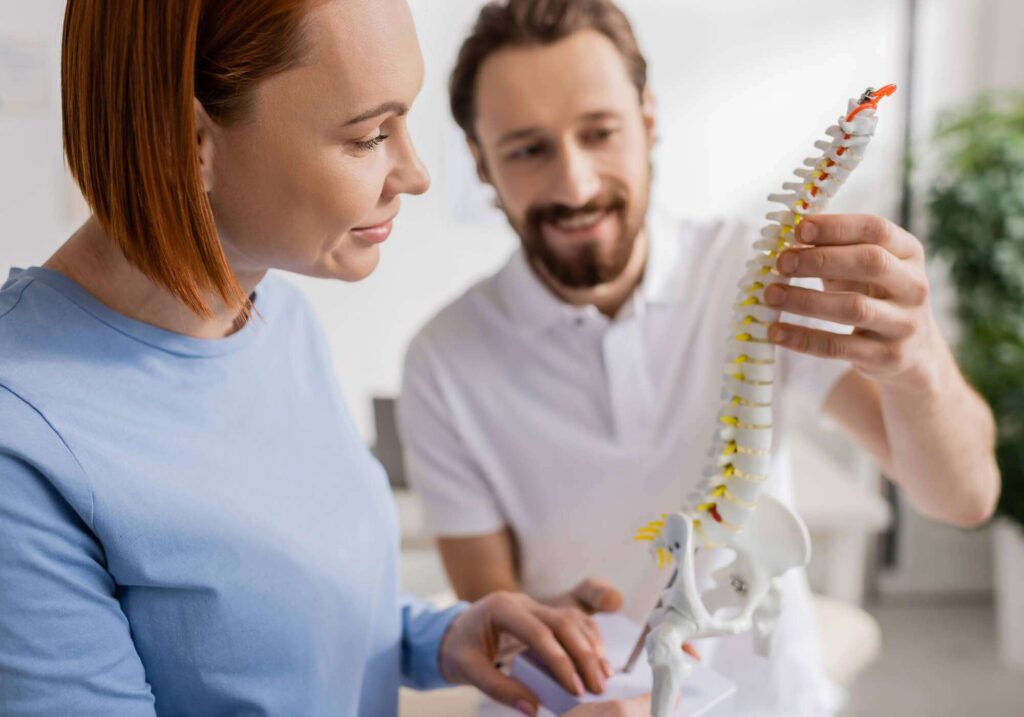
None of that means you have run out of options. Your previous treatments can give Dr. Kulubya useful information about what your pain may need next.
Bring whatever history you can—when the pain started, where it travels, what makes it worse, any numbness or weakness, how it has changed sleep or daily activity. If you have imaging reports or a medication list, those help. The more complete the picture, the more useful the discussion can be.
Persistent pain has a way of lowering expectations. You stop counting on a full night of sleep. You begin planning the day around what the body will tolerate. That quiet narrowing of life is exhausting. Appropriate treatment cannot promise every patient will become completely pain-free, but it can reduce symptoms and restore function for many people. The starting point is simply finding out what is driving the pain.
If you need pain management in Los Angeles, CA, call 714-234-7485. The team at Sekiwala Pain Management Center can evaluate your situation and talk through the options that fit.
When the pain keeps interfering with work, sleep, or ordinary activity despite the treatments already tried, a specialist evaluation can look at the pattern from a different angle and identify approaches that may not have been considered yet.
No. Imaging misses a good deal of the soft-tissue and nerve irritation that produces real symptoms. The examination and the way the pain behaves often supply the missing information.
Not necessarily. Recurring pain sometimes points to a specific structure that needs a more targeted approach. A fresh evaluation can clarify whether that is the case.
No. A large part of interventional pain management is built around non-surgical options. Surgery is considered only when the findings and the patient’s goals point clearly in that direction.
You should hear a clear explanation of the purpose, what the day of the procedure looks like, the realistic range of benefit, possible risks, and the recovery timeline. Any recommendation should leave room for questions before a decision is made.
Once movement stops, certain positions can load irritated structures more directly. The quiet of night also removes the distractions that partially mask the sensation during the day.
If you are looking for the best pain doctor in Los Angeles, CA, begin with a thorough evaluation rather than a title. At Sekiwala Pain Management Center, the work has been guided by Dr. Edwin Kulubya since 2015. His background in board-certified anesthesiology and interventional pain management supports a focused, individual approach.
For anyone searching for a pain management clinic in Los Angeles, CA, call 714-234-7485 to schedule a time to talk through what is still hurting and what has already been tried.

©2026 Sekiwala Pain Management Center. All rights reserved. Powered by Design Hub Solution